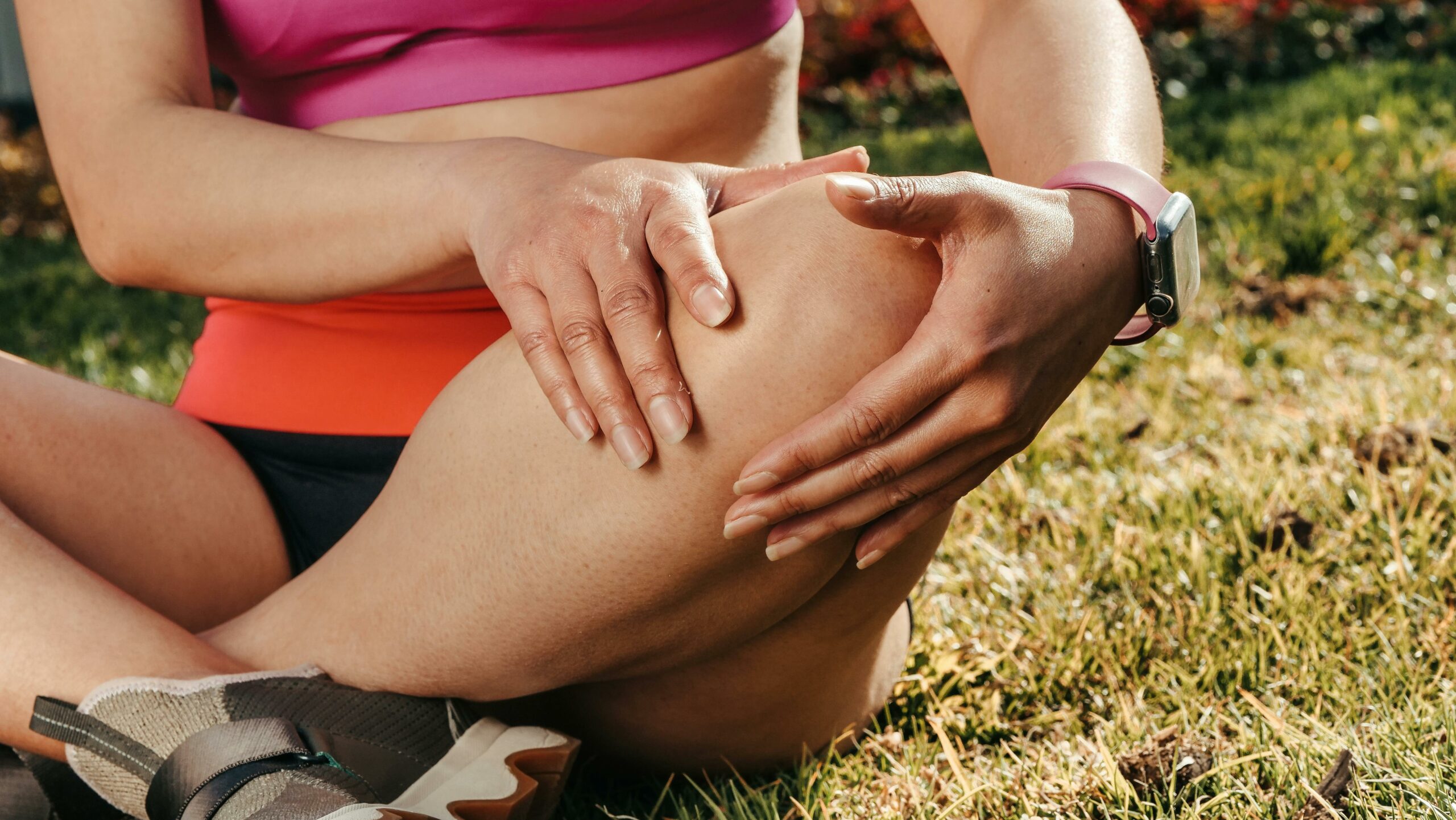
You felt something. A sharp pain, a sudden twinge, maybe just a dull ache that showed up after a run and never quite left. And now you’re doing what everyone does – Googling your symptoms at 11pm, trying to figure out if you’ve pulled something, torn something, or just overdone it.
The problem ? Tendinitis, muscle tears and sprains all feel vaguely similar in the moment. But they are completely different injuries, they heal differently, and treating one like the other can genuinely make things worse. I’ve seen people walk off what turned out to be a partial tear because they thought it was “just a sprain.” Not ideal.
Where to Find the Right Support for Sports Injuries
If you’re serious about sport and want to understand your body better – or you’re looking for professional support – it’s worth knowing that resources like medisport-center.com exist specifically to help athletes and active people navigate exactly this kind of situation.
But first, let’s get the basics straight.
What Is a Sprain, Actually ?

A sprain is a ligament injury. Ligaments connect bone to bone, and they get damaged when a joint is forced beyond its normal range of motion. The classic example : rolling your ankle on an uneven pavement. That sudden twist, that immediate “oh no” feeling – that’s a sprain.
There are three grades :
Grade 1 – mild stretching of the ligament fibres. Hurts, but you can still walk. Swelling is usually minimal.
Grade 2 – partial tear. More painful, noticeable swelling, the joint feels unstable. You probably can’t run on it.
Grade 3 – complete rupture. Honestly, sometimes less painful than a Grade 2 in the first few minutes (the nerve fibres are torn too), but the joint is severely compromised. This one needs medical attention. Fast.
The ankle is the most common site, but sprains happen in knees, wrists, thumbs – anywhere there’s a joint and a ligament under pressure.
And a Muscle Tear ? That’s Something Else Entirely
A muscle tear – sometimes called a strain or a “pulled muscle” – involves the muscle fibres themselves, or the tendon connecting muscle to bone. It usually happens during explosive effort : a sprint, a jump, a sudden change of direction.
The sensation is often described as a “snap” or a “kick from behind” – even when no one is there. If you’ve ever heard someone say “I thought someone hit me” during a hamstring tear on a football pitch, that’s exactly what this is.
Again, there’s a grading system :
Grade 1 – a few fibres overstretched or torn. Feels tight, maybe a bit sore, but you can still move. Recovery : roughly 1 to 3 weeks with proper rest.
Grade 2 – significant partial tear. Real pain, possible bruising, noticeable weakness in the muscle. Could take 4 to 8 weeks.
Grade 3 – complete rupture. Severe pain, visible deformity sometimes, total loss of function. Surgery is sometimes required. We’re talking months of recovery.
The hamstrings, quadriceps and calf muscles are the most frequent victims – especially in runners and footballers.
Tendinitis : The Slow Burn Nobody Takes Seriously
Here’s the one that sneaks up on you. Tendinitis – or more accurately tendinopathy, since modern sports medicine has nuanced the terminology – is an inflammation or degeneration of a tendon, the fibrous cord connecting muscle to bone.
Unlike sprains and tears, tendinitis rarely arrives with a dramatic moment. It builds. A little stiffness in the morning. Pain at the start of a session that “warms up” and disappears – which fools you into thinking everything’s fine. Then one day it doesn’t warm up anymore, and you’re limping.
Common sites : the Achilles tendon (runners, watch out), the patellar tendon (the “jumper’s knee”), the rotator cuff in the shoulder, the elbow (tennis elbow, golfer’s elbow).
What causes it ? Usually overuse, poor technique, or ramping up training too quickly. Your tendon doesn’t get the blood supply muscles do, so it heals slowly and degrades faster under repeated stress.
The frustrating thing with tendinitis is that rest alone often isn’t enough. You need progressive loading – a specific, structured programme of exercises to rebuild tendon strength. Rest, come back too soon, repeat the same training error, and you’re back to square one. I find this is the injury most people mismanage, honestly.
How to Tell Them Apart in the Moment
Okay, practically speaking – you’re on a trail, something hurts, what do you do ?
Ask yourself these questions :
Was there a specific moment of impact or twist ? → Think sprain (joint involved) or tear (muscle involved).
Did it happen gradually over days or weeks ? → More likely tendinitis.
Is the pain in the joint, around the bones ? → Probably ligament / sprain territory.
Is the pain in the belly of the muscle, and did it come on suddenly during effort ? → Muscle tear.
Is the pain just above or below a joint, along a cord-like structure, worse in the morning or after rest ? → Tendinitis.
None of this replaces a proper diagnosis, obviously. But it can help you make smarter decisions in the first few hours – which matters a lot.
The First 48 Hours : What to Do (and What Not to Do)

For sprains and muscle tears, the old “RICE” protocol (Rest, Ice, Compression, Elevation) still holds up for the acute phase. More recent guidance adds “P” for Protection and replaces some of the aggressive icing with gentle movement as soon as tolerable – complete immobilisation for too long can slow healing.
Don’t : push through significant pain hoping it’ll go away. It won’t. That Grade 2 sprain you’re “walking off” is losing structural integrity with every step.
Don’t : apply heat in the first 48-72 hours on an acute injury. Heat increases blood flow and inflammation. Save it for later in recovery.
Do : get a proper assessment if you can’t bear weight, if there’s significant swelling, if you heard or felt something “pop”, or if the pain is severe and localised.
For tendinitis – rest the tendon from the aggravating activity, but don’t go completely sedentary. Gentle movement and load management are key.
When Should You See a Sports Medicine Professional ?
Honestly ? Earlier than most people think.
If the pain doesn’t improve meaningfully within 5 to 7 days of basic self-care, go see someone. If there’s bruising spreading visibly, go immediately. If you suspect a Grade 3 anything – tear, sprain – don’t wait.
A sports medicine specialist or physiotherapist can tell you in one appointment what you’ve been trying to figure out for three weeks on the internet. They’ll give you a proper rehabilitation plan, not just “rest and ice.”
Your body is what allows you to do the things you love. It deserves better than guesswork.